
“Today, the popularity of screenwriting and filmmaking is an integral part of our culture and cannot be ignored.” – Syd Field
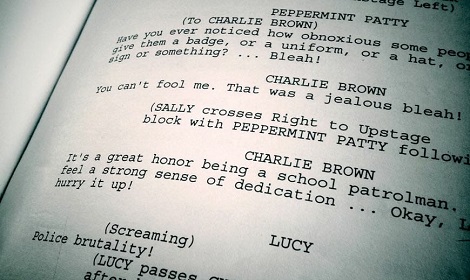
But what is a screenplay? According to Studio Binder, a screenplay is a written work for a film, television show, or other moving media, that expresses the movement, actions, and dialogue of characters. Screenplays, or scripts, are the blueprint for the movie. A screenplay is written in a specific format to distinguish between characters, action lines, and dialogue.
As an aspiring screenwriter, you may feel daunted by the task of writing a screenplay. But fear not! With these simple steps and a bit of creativity, you’ll be well on your way to crafting compelling scripts that capture the magic of the movies.
Step 1: Develop Your Concept
Every great screenplay starts with an idea. This could be a unique concept, a fascinating character, or an intriguing plot twist. You’d be surprised what pops into your head out of nowhere. Take some time to brainstorm and jot down any ideas that come to mind. What themes do you want to explore? What kind of story do you want to tell?
Step 2: Create an Outline
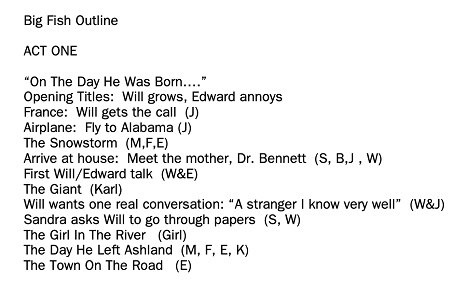
Once you have a solid concept, it’s time to flesh out your story. Start by breaking down your narrative into three acts: setup, confrontation, and resolution. What are the key events that drive the plot forward? Who are your main characters and what are their arcs? A character arc is the transformation or inner journey of a character throughout a story. If a story has a character arc, the character begins as one sort of person and gradually transforms into a different sort of person in response to changing developments in the story. Never forget that a well-structured outline will serve as a roadmap as you begin writing your script.
Step 3: Write Visually
A screenplay is all about what can be seen and heard on screen. Focus on crafting vivid descriptions of settings, characters, and actions. Use concise language to paint a picture in the reader’s mind. Remember, less is often more – avoid overly lengthy descriptions that slow down the pace of your script.
Step 4: Craft Compelling Dialogue
Dialogue is where your characters truly come alive. Each person should have a unique voice and way of speaking. Dialogue should reveal character traits, advance the plot, and feel authentic and natural. Avoid clunky exposition and forced conversations. Instead, strive for dialogue that crackles with energy and emotion
Step 5: Format Your Script
Screenplays follow a very specific format. Invest in screenwriting software like Final Draft, Celtx, or Studio Binder, to help you get the margins, font, and indentation just right. Final Draft is the industry’s standard—it automatically formats your screenplay to industry standards so you can focus on writing. A properly formatted script is essential for professionally presenting your work.
Step 6: Revise and Edit
No first draft is perfect. Once you’ve completed your screenplay, take a step back and revisit your work. Look for ways to tighten up your writing, deepen your characters, and strengthen your story. Get feedback from fellow writers and be open to making changes. The revision process is where the real magic happens.
Step 7: Keep Writing
The more you write, the better you’ll get. Don’t be discouraged if your first screenplay isn’t a masterpiece. Keep honing your craft, learning, and growing as a writer. With dedication and perseverance, you’ll increase your chances of success in the competitive world of screenwriting.
Writing a screenplay takes time, effort, and practice. But with a strong concept, a clear outline, and a passion for storytelling, you can craft a script that engages and inspires. So why wait? Grab a pen, fire up your laptop, and start writing your screenplay today. Hope to see you on the big screen!
Thank you for your continued readership and support. Until next week…Blessings and Peace!
© Rhema International 2023. Unauthorized use and/or duplication of this material without express and written permission, from this blog’s author and/or owner, is strictly prohibited. Excerpts and links may be used, provided that full and clear credit is given to Rhema International.
 Rhemalogy