

Character creation is vital in storytelling, whether in literature, film, video games, or other mediums, as it forms the emotional core and drives the narrative forward. Well-developed characters foster audience connection, empathy, and investment in the plot, allowing viewers or readers to experience a range of emotions through the character’s journey. Moreover, diverse and complex characters can challenge societal norms, explore various perspectives, and contribute to richer, more engaging narratives, ultimately enhancing the overall impact of the story.
Developing a compelling story character is a crucial part of storytelling that can deeply resonate with your readers. Here are some key steps to aid you in creating a rich and multidimensional character:
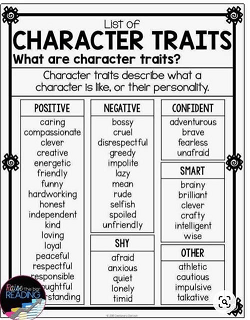
- Define Core Traits: Start with the basics. What are the character’s key personality traits? Are they brave, timid, kind, selfish? Use specific adjectives to flesh them out.
- Backstory: Create a backstory that informs who they are. What events in their past have shaped their beliefs, fears, and desires? This will add depth and authenticity to your character.
- Goals and Motivations: Clearly define what your character wants. What drives them? Understanding their desires and motivations will guide their actions and decisions throughout your story.
- Flaws and Strengths: Perfect characters can feel unrealistic. Give your character flaws that make them relatable and strengths that can help them overcome obstacles. This balance will create a more rounded character.
- Relationships: Explore how your character interacts with others. Relationships reveal character traits and can show growth or decline throughout the story. Consider how these connections drive the plot forward.
- Conflict: Introduce internal or external conflicts that create tension. How does your character respond to challenges? They should evolve in some way, facing trials that test their values or resolve.
- Change and Growth: Characters should ideally undergo some transformation throughout the story. This growth could be positive or negative depending on the narrative arc.
- Physical Appearance: While it’s not the sole focus, having a clear image of what your character looks like can help readers visualize them. Consider how their appearance reflects their personality.
- Voice and Dialogue: Develop a distinctive voice for your character that aligns with their personality. Dialogue should reflect their background, education, and emotional state.
- Symbolism and Themes: Think about how your character relates to the larger themes of your story. Symbols tied to your character can deepen their significance within the narrative.
- Realism and Relatability: Make sure your character feels like a real person. Consider how people behave in real life and incorporate those nuances into your character’s actions and reactions.
- Research and Inspiration: Look for inspiration from real-life people or experiences. Authenticity can greatly enhance the connection readers feel with your character.
By incorporating these aspects, you can create a character that captures the hearts and imaginations of your readers, driving them to invest in their journey.
Now get back to pecking those darn keys! Thank you for your continued readership and support. Until next week…Blessings and Peace!
2024 © Rhema International 2024. Unauthorized use and/or duplication of this material without express and written permission, from this blog’s author and/or owner, is strictly prohibited. Excerpts and links may be used, provided that full and clear credit is given to Rhema International.
 Rhemalogy