
As a Padawan in the writer’s realm my mind never ceases to amaze me. Either when I’m revising or editing my books, random words pop into my head that will cause me to substitute a word in a sentence that I have to research and then in this research discover that it fits the definition of the sentence implicitly. So having a key to the vocabulary realm that allows you access to words that will accentuate your writing prowess is an invaluable resource. As you begin to write numerous books you will find yourself shying away from repetitious words although you will establish a certain writing style your desire will be to expand your creativity while simultaneously drawing the reader into a realm of understanding on a new level of visualisation.
What are some of the steps you can take in opening the door to this vocabulary realm that will aid in your expansion? Let’s explore how to build your word bank and use it effectively…

Reading. This is one of the best ways to find new words. Don’t just stick to one genre; explore everything from fiction to nonfiction, essays to poetry. Different styles expose you to various tones, sentence structures, and uncommon words. Keep an eye out for terms that sound interesting or unfamiliar. Look them up immediately or jot them down. For example:
- Take note of how writers use descriptive terms versus straightforward ones.
- Pay attention to dialogue to learn casual yet impactful phrases.
- Highlight passages that provide concise yet powerful imagery.
By reading thoughtfully, you’ll encounter words that inspire you and elevate your writing.
Using Vocabulary Tools. Sometimes, you need a little extra help to find the right words. Tools like thesauruses and vocabulary apps can provide that support.
- Thesauruses, whether online or physical, can help you find synonyms that fit your tone or context.
- Vocabulary apps like Word of the Day or vocabulary-learning games encourage daily discovery.
- Dictionaries not only teach definitions but also show examples of usage.
These tools make it easier to add new terms to your vocabulary, but always ensure the words fit naturally.
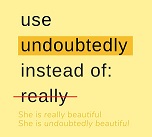
Effective Use. Learning new words is only half the battle. Knowing how to use them effectively in your work ensures they have the desired impact. A rich vocabulary is only valuable when you know when and where to use it. Words need to match the tone, subject, or setting of your story. For instance:
- A casual blog post calls for simpler, relatable terms, while a formal essay might benefit from more precise language.
- Consider the mood. Does the word you’re using help set the right emotion for the scene?
Avoid inserting complex words just to sound impressive. Instead, think of them as tools to enhance clarity, emotion, or imagery.
Revising and Editing for Variety. First drafts often contain repeated phrases or overused words. Revision is your chance to fix this. After finishing a draft:
- Highlight terms or phrases you’ve used often.
- Look for synonyms that better capture your intended meaning.
- Reread the passage out loud to ensure the new words flow naturally.
Be careful not to replace familiar terms with words no one understands. Balance is key—aim for variety without sacrificing readability.
Expanding your vocabulary is an ongoing process, but it’s worth the effort. It sharpens your writing, inspires creativity, and helps you connect with readers on a deeper level. By reading widely, using helpful tools, and practicing daily, you’ll make significant progress. Remember to apply new words thoughtfully, keeping your writing polished and engaging. Keep learning, keep experimenting, and let your word choices elevate your craft.
Okay younglings thus the lesson endeth. Now take out those lightsabres and get busy!
Thank you so much for your continued support and readership. Until next week—Blessings and Peace!
© Rhema International 2025. Unauthorized use and/or duplication of this material without express and written permission, from this blog’s author and/or owner, is strictly prohibited. Excerpts and links may be used, provided that full and clear credit is given to Rhema International.
 Rhemalogy