
IN THE SIXTEENTH CENTURY, Béarn (now part of Pyrénées-Atlantiques) was a French province located on the border with Spain. It faced significant hardships during the conflict between Roman Catholics and Protestant Huguenots.
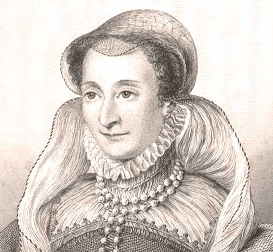
The region’s Protestant leader was Jeanne D’Albret, Queen of Navarre. After converting to the Reformed faith in 1560, she deepened her commitment over the years, despite facing strong pressure to renounce her new beliefs. When her husband, Antoine, who had briefly become a Huguenot, returned to the Catholic Church, they became politically, physically, and spiritually separated.
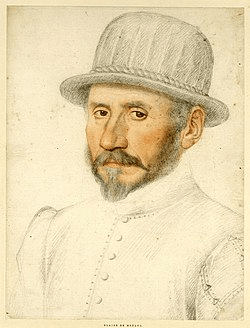
Antoine passed away in 1562, but not before sending Blaise de Montluc, known for his brutality and lack of respect for justice, to stop Jeanne D’Albret and her son, Henry, from returning home. Montluc instilled fear among the Protestants of Béarn. However, D’Albret successfully reached Béarn and gathered forces to protect her Protestant followers. Catholics accused her of waging war against her own people, but this only occurred after they revolted.
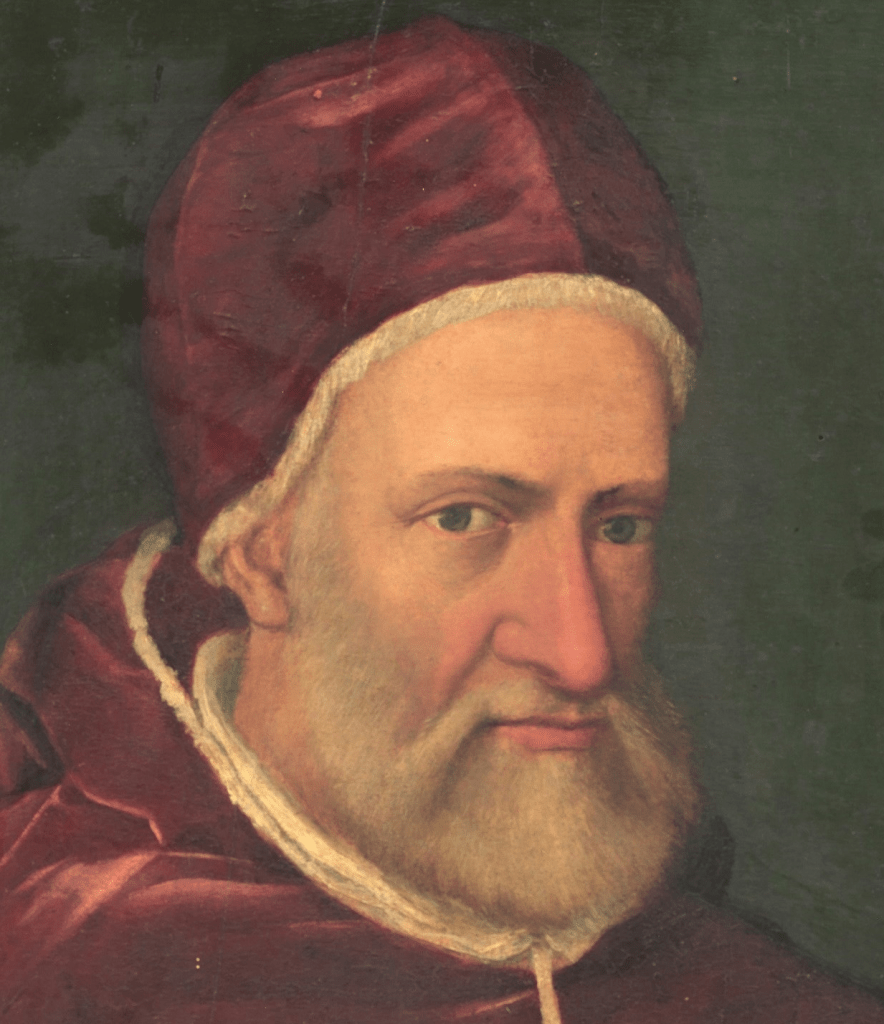
Due to D’Albret’s Protestant ties, Pope Pius IV charged her with heresy. On 28 September 1563, he summoned her to Rome for an inquiry and warned that if she failed to comply, her lands would be seized by the first Catholic prince who could conquer them. Since the orders were only posted in Rome, she learned of them through others. The French government also became aware of this. Although Paris was at war with the Protestants and had no affection for D’Albret, Catherine de Medicis, the queen regent of France, argued that the Pope had no right to take French territory. Historians debate whether the Pope retracted the citation; some claim he excommunicated D’Albret three months later.
For several years, the French court permitted D’Albret to return to Béarn only occasionally. Henry was kept away from her. Nevertheless, she was allowed to bring him to Béarn in 1567 to meet his future subjects. In 1568, D’Albret had to escape from her palace and join the Huguenots at La Rochelle to avoid capture.
By September 1571, D’Albret returned to her throne and issued a Code of Ecclesiastical Ordinances. This code enforced rules on those who did not attend Protestant services. She stated this was necessary due to the ongoing rebellion of her Catholic subjects. D’Albret passed away the next year from “a pleurisy” (possibly tuberculosis or pneumonia), at the age of forty-four.
Just before her death, as noted by James Anderson, she admitted that her sins were countless and enough to ensure her eternal damnation, yet she still hoped for forgiveness and salvation through Christ’s merits, in whom she placed her trust.
As a social reformer, she aimed to tackle issues like alcoholism, gambling, and loan-sharking. She also established colleges, hospitals, and schools. As a religious reformer, she distributed Calvinist literature in Spain and financed the translation of the Bible into the Basque language, along with some Calvinist texts. Her son became Henry IV of France. Although he converted to Catholicism, he allowed the Huguenots some degree of tolerance and independence.
Also On This Day
1568 – Leonor de Cisneros was burned at the stake in Valladolid, Spain, after refusing to renounce her Reformation beliefs, despite torture.
1774 – The birth of Jonathan Chapman, known as Johnny Appleseed, a pioneer who distributed apple seeds and religious tracts, embodying a deep spiritual connection to nature.
1814 – The Flint River Association was formed in Alabama, the first official Baptist organization in the state’s history.
 Rhemalogy