
Conclusion
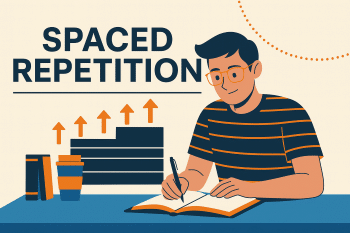
Last week we learned—A powerful writer relies on a sharp word arsenal—precise vocabulary, purposeful choices, and smart rhetorical moves—to craft clear, memorable prose. Building this skill starts with reading widely to absorb fresh, vivid language and noticing how words work within context. Tools like spaced repetition help lock new terms into memory so they flow naturally in your writing. But strong writing isn’t about big words—it’s about the right words, considering both their literal meanings and emotional tones. Matching language to your audience and purpose keeps your message effective, while rhetorical techniques—metaphors, similes, repetition, and parallelism—turn straightforward ideas into compelling, sticky lines.

Remember that short sentences snap attention. “Stop. Look. Listen.” They build urgency. Long ones weave details, like a slow river carrying thoughts. Copywriters mix them to keep eyes moving. Think ad copy: Punchy opener. Flowing explanation. Crisp close. Academic stuff often drags on—boring. Vary for flow. Read your work. Does it drone? Chop some. Add beats. Readers stay hooked when the pace matches the mood. Excitement? Quick hits. Reflection? Gentle curves.
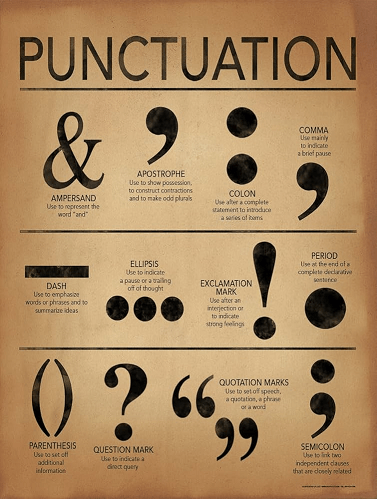
Punctuation shapes breath. Em dashes— like this— add asides with drama. Semicolons link ideas without full stops. Ellipses trail off… hinting at more. They’re tools, not rules. Use a dash to interrupt: “The plan failed— but we learned.” Experiment in drafts. Punctuation controls tempo, like rests in music. Master it, and your words breathe.
The Might of the Verb: Eliminating Flabby Language
Verbs fuel action. They drive your writing forward. Weak ones stall it. Ditch “is” and “was” when you can. “The dog is running” becomes “The dog bounds.” It’s alive. Nominalizations bloat: “Take action” over “act.” They turn zip into sludge. Spot them in edits. Run a verb audit. Highlight passives in old work. Swap half to actives: “We decided.” not “A decision was made.” Your prose tightens. Energy surges.
Strong verbs need few helpers. “Run quickly” dulls; “sprint” shines alone. Adjectives? Pick vivid ones. “Big house” to “sprawling mansion.” But overdo, and it clogs. Cut -ly words first. Audit: Slash adverbs by half. Let nouns and verbs carry weight. Writing sharpens. Readers see clear pictures.
Know your readers. Words flop without fit. Tune your arsenal to them. Scan the space. LinkedIn? Formal, pro terms. Reddit? Chatty, slang okay. Client briefs spell it out: Voice guidelines. Match or explain shifts. Why formal for suits? Builds cred.
Test with samples. Write a post two ways. Which fits the crowd? Adjust idioms— “hit a home run” for sports fans, not all. Online, folks skim. Use bold heads, bullets. Short paragraphs keep it light.
Stats show eyes spend 4.4 seconds per page on average. Hook fast. Direct words win.
Bullets break info:
- Clear action steps.
- Key benefits upfront.
- No fluff sentences.
Optimize for mobile. Your word arsenal adapts— concise for screens. Sensory words pull heartstrings. “Crunchy leaves” evokes fall walks. No cheese, just real feels. Charged terms build bonds: “Journey” for shared paths. Gauge audience pain points. Weave in questions: Ever felt lost in words? Use empathy. Trust grows. Readers stick.
Building a writer’s word arsenal never ends. It’s a daily habit, not a one-off win. Keep reading, practicing, tweaking. Strategy matters most. Align words to context and crowd for real impact. Your voice strengthens over time.
Start now. Audit a piece today. Swap weak spots. Watch your writing transform. You’ve got the tools— wield them well.
Thank you so much for your continued readership and support. Until next week…Blessings and Peace!
© Rhema International 2025. Unauthorized use and/or duplication of this material without express and written permission from this blog’s author and/or owner is strictly prohibited. Excerpts and links may be used, provided that full and clear credit is given to Rhema International.
 Rhemalogy