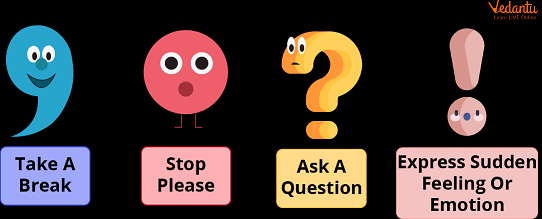
If you’ve ever stared at a page and felt personally attacked by commas, colons, em dashes, and parentheses, you’re not alone. Punctuation can feel like a swarm of tiny symbols—each with its own rules, moods, and agendas—buzzing around your sentences demanding attention. But before you declare a grammatical mutiny, it helps to understand what all this punctuation is actually doing for you.
Punctuation is the traffic control system of writing. Without it, your ideas crash into one another, pile up, or wander off in confusing directions. A simple comma can save a sentence from disaster. Compare Let’s eat, Grandma to Let’s eat Grandma. One comma stands between a pleasant family dinner and a felony.
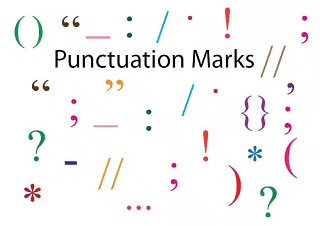
Each mark has a purpose. Periods bring closure; semicolons create a thoughtful pause, linking related ideas without the abruptness of a period. Colons announce something important is coming—like a drumroll in punctuation form. And then there’s the em dash—the dramatic, flexible favorite of writers who enjoy slipping in extra thoughts, emphasis, or surprises. (Parentheses do similar work, but with a quieter, more whispered tone.)
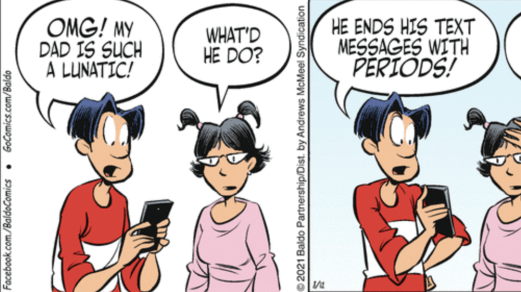
The explosion of digital communication has only made punctuation more expressive. Texting has blurred the emotional signals of certain marks: a period can seem cold or stern, while an exclamation point can soften or energize a message. Even ellipses have developed social personalities, ranging from hesitant to passive-aggressive.
So what’s with all this punctuation? It’s not there to intimidate you; it’s there to help your writing speak with clarity, rhythm, and personality. Think of punctuation as your toolkit. The more confidently you use each piece, the more precisely you can shape your voice on the page. And once you see punctuation as an ally rather than a judge, those tiny symbols begin to feel less like chaos—and more like creative control.
Thank you so much for your continued readership and support. Until next week…Blessings and Peace!
© Rhema International 2025. Unauthorized use and/or duplication of this material without express and written permission from this blog’s author and/or owner is strictly prohibited. Excerpts and links may be used, provided that full and clear credit is given to Rhema International.
 Rhemalogy
It seems that the rules of punctuation, capitalization and italics have changed with the digital age. In my opinion not all of the changes have been helpful or good.
LikeLike
I agree—As they say, “If it ain’t broke don’t fix it!”
LikeLiked by 1 person