
Writers tend to fall into two broad camps: outliners and “pantsers,” those who write by the seat of their pants. Both approaches can produce great work, and both come with trade-offs that shape not only the final piece but the writer’s experience along the way.

Outlining is the more structured method. Writers who outline plan their work in advance, mapping out the main argument, plot points, or sections before drafting. One major advantage is clarity. An outline acts like a roadmap, helping you see where you’re going and how each part connects. This can be especially helpful for long projects, complex arguments, or collaborative work with deadlines. Outlining can also save time during revision, since structural problems are often solved before the first sentence is written.
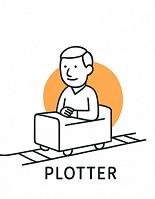
However, outlining has its downsides. For some writers, too much planning can drain the excitement out of the process. Knowing exactly what will happen next may make the drafting phase feel mechanical or dull. Others find that rigid outlines limit creativity, making it harder to follow surprising ideas that emerge mid-draft. In extreme cases, writers can get stuck outlining forever and never actually start writing.
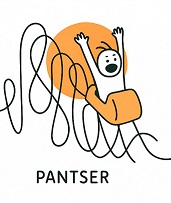
Writing by the seat of your pants sits at the opposite end of the spectrum. Pantsers dive in with little or no plan, discovering ideas as they write. This approach can feel more natural and energizing, especially for creative work. It allows for spontaneity, unexpected turns, and emotional authenticity. Many writers find that their voice flows more freely when they aren’t constrained by a preset structure.
The downside is that pantsing can lead to messy drafts. Without a plan, it’s easy to wander, repeat yourself, or write yourself into a corner. Revision often takes longer because major structural issues must be fixed after the fact. For deadline-driven or highly technical writing, this approach can become stressful and inefficient.
As for what works for me, I land somewhere in the middle. I prefer a loose outline: a clear sense of the destination, with flexibility in how I get there. I might sketch a few key points or scenes, then let the drafting process fill in the gaps. This hybrid approach gives me enough structure to stay focused while leaving room for discovery. In the end, the best method isn’t universal—it’s the one that keeps you writing.
What’s your approach?
Thank you so much for your continued readership and support. Until next week…Blessings and Peace!
© Rhema International 2025. Unauthorized use and/or duplication of this material without express and written permission from this blog’s author and/or owner is strictly prohibited. Excerpts and links may be used, provided that full and clear credit is given to Rhema International.
 Rhemalogy
I also fall in the middle. I tend to have a loose outline or some premise, but then take the “pantser” approach. I often find this leads me to surprising outcomes in the plot and characters doing things that surprise me.
LikeLike
Glad I have a friend at arms that is like me. I don’t have to feel like the lone stranger anymore. Would you believe Stephen King is a pantser too? Thank you so much for your comments and taking the time to stop by. Have a blessed new week!
LikeLiked by 1 person
I didn’t know that about Stephen King! Likewise, glad I don’t feel like I’m the only one. Blessings to you.
LikeLiked by 1 person
Thanks for stopping by and thank you for your comments! See, you’re in good company.
LikeLiked by 1 person
I’m mostly a seat-of-my-pants writer but this practice can lead to lots of revisions.
LikeLike
Yes it can, I agree, but sometimes you find the perfect book in those revisions—wouldn’t you agree?
LikeLike