
The birth of Jesus Christ is revealed in Scripture as a moment where heaven touches earth in humility and grace. The Gospel of Luke records that “there went out a decree from Caesar Augustus, that all the world should be taxed” (Luke 2:1 KJV), bringing Joseph and Mary to Bethlehem, “because he was of the house and lineage of David” (Luke 2:4). There, in fulfillment of prophecy, the promised Messiah was born.
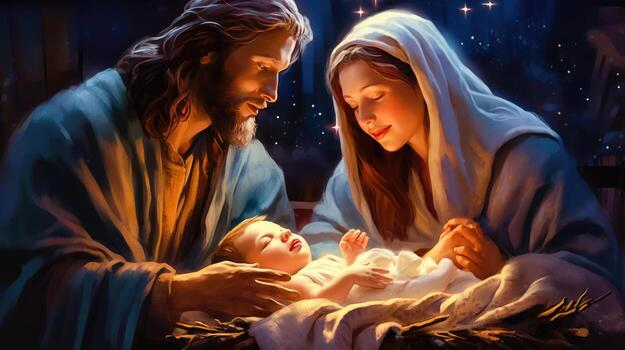
Luke tells us, “She brought forth her firstborn son, and wrapped him in swaddling clothes, and laid him in a manger” (Luke 2:7). The simplicity of the setting underscores the nature of God’s coming—quiet, gentle, and accessible. Angels announced this good news not to kings, but to shepherds in the fields: “Fear not: for, behold, I bring you good tidings of great joy, which shall be to all people” (Luke 2:10). They proclaimed the heart of the Christmas message: “For unto you is born this day in the city of David a Saviour, which is Christ the Lord” (Luke 2:11).

The Gospel of Matthew adds that wise men from the East followed a star, seeking “he that is born King of the Jews” (Matthew 2:2). Their gifts—gold, frankincense, and myrrh—recognized Jesus as King, God, and sacrificial Savior. This moment fulfilled ancient prophecy: “But thou, Bethlehem Ephratah… out of thee shall he come forth unto me that is to be ruler in Israel” (Micah 5:2).
The birth of Christ reveals God’s love made visible. As John later writes, “The Word was made flesh, and dwelt among us” (John 1:14). In a manger, hope was born for the world.
Merry Christmas! From us here at rhemalogy.com.
© Rhema International 2025. Unauthorized use and/or duplication of this material without express and written permission from this blog’s author and/or owner is strictly prohibited. Excerpts and links may be used, provided that full and clear credit is given to Rhema International.
 Rhemalogy
Heaven came down and walked among us, yet many knew Him not.
LikeLike
Amen. But… “For as many as received him, to them gave he power to become the sons of God, even to them that believe on his name, (John 1:12)
LikeLiked by 1 person