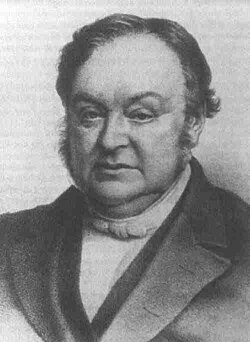
“People don’t need Christianity. They need Christ,” said Johann Christoph Blumhardt, a German pastor who grew weary of powerless religion. Serving small villages near Stuttgart, he asked himself, “Do I have the right to preach the risen Jesus when so little changes?”
His life shifted when he confronted severe spiritual oppression in a woman from his congregation. After months of prayer and struggle, on 28 December 1843, she was freed, and the cry “Christ is victor!” rang through the village. Transformed, she became a faithful helper in his work.
Awakened to the reality of spiritual conflict, Blumhardt rejected shallow piety. Revival followed when people openly confessed sin, sought forgiveness, reconciled with enemies, and even experienced physical healing. He insisted that faith is lived together, not alone, pointing to Jesus’ words: “If you forgive the sins of any, they are forgiven” (John 20:23).
Though criticized and restricted by church authorities, Blumhardt refused to stop offering hope. He saw divine healings and demons cast out under his ministry. Eventually, he founded a Christian healing retreat at Bad Boll, where prayer and teaching continued to change lives. He lived and worked there until he died in 1880. His son later carried on the work.
Also On This Day
1714 – George Whitefield, a renowned English Methodist evangelist known for his powerful preaching, was born.
1797 – Charles Hodge, an influential American Presbyterian theologian, was born.
 Rhemalogy
Relationship is far more important than religion.
LikeLiked by 1 person
He started out with a relationship with Adam and Eve and still desires that same relationship today with His children.
LikeLiked by 1 person