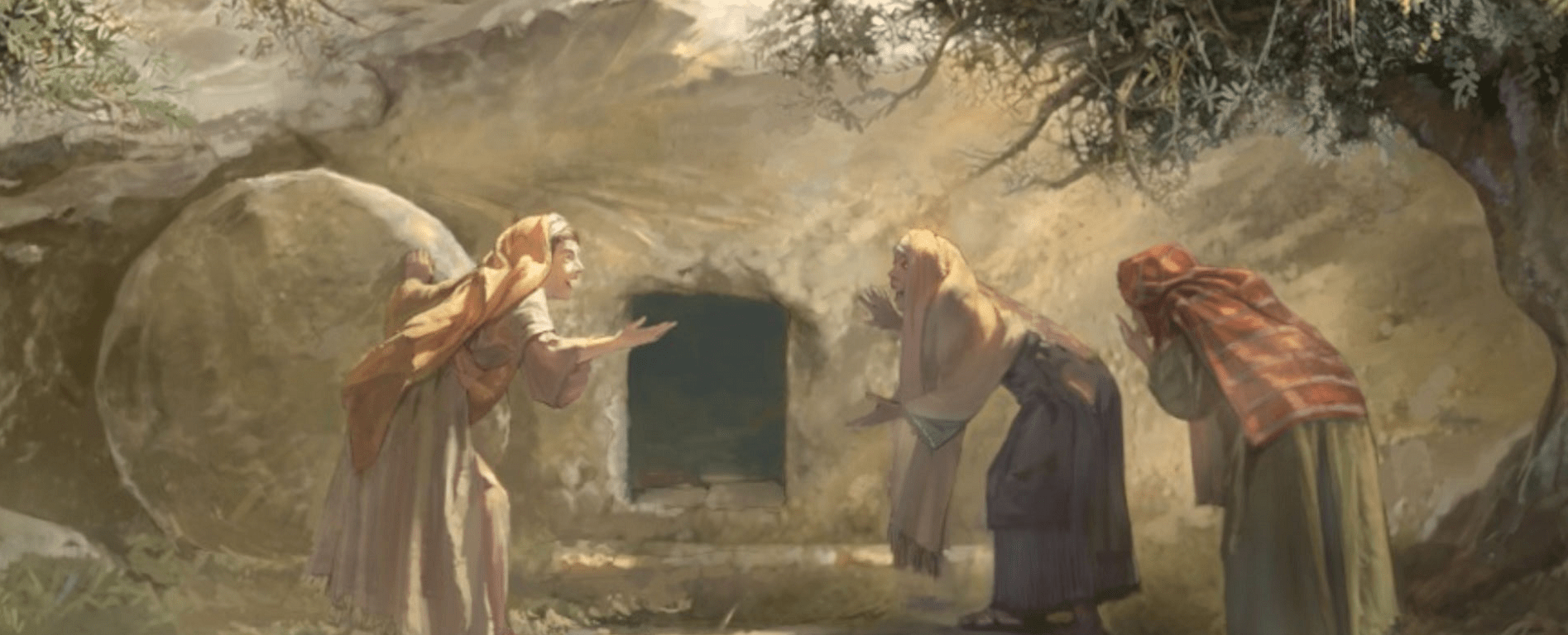
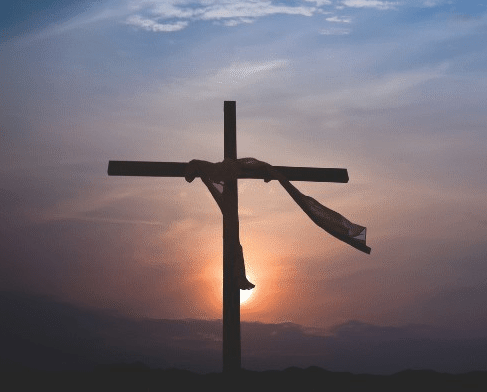
What can be said about the resurrection that hasn’t already been said? When the subject is Christ, it can feel like every angle has been explored, every doctrine defined, every sermon preached. And yet, the resurrection of Jesus Christ continues to meet people not as a closed case, but as an open invitation.
At the center of the resurrection is not merely an event, but a person—Jesus Christ Himself. Too often, discussions drift toward arguments about evidence or theology, important as those may be. But the resurrection, as presented in the Gospels, is intensely personal. It is not just that Christ rose; it is that He appeared, spoke, called names, and restored relationships.
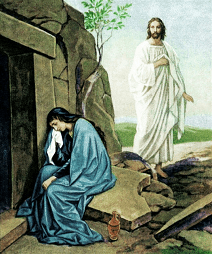
Consider how the risen Christ interacts with individuals. He meets Mary Magdalene (John 20:11-18 NKJV) in her grief and calls her by name. He engages Thomas in his doubt without condemnation (John 20:24-29 NKJV). He prepares breakfast for His disciples who had returned to fishing, meeting them in their uncertainty. (John 21:1-14 NKJV) These moments suggest that the resurrection is not simply about proving power over death, but about revealing the character of Christ—patient, relational, and present.
What often goes unsaid is that the resurrection affirms not only Christ’s divinity but His continuity. The same Jesus who walked, taught, suffered, and was crucified is the one who rose. He is not a distant or altered figure, but recognizably Himself. The wounds remain, not as signs of defeat, but as marks of identity. This continuity matters because it anchors hope not in an abstract miracle, but in a consistent Savior.
The resurrection also reframes victory. It is not triumph in the way the world typically defines it—through dominance or spectacle—but through sacrifice and restoration. Christ does not return with vengeance, but with peace. His first words to His followers are not rebuke, but reassurance. In this way, the resurrection reveals a different kind of power: one that restores rather than destroys.
Perhaps what remains to be said is this: the resurrection of Christ is less about settling debates and more about extending relationship. It is an invitation to encounter the living Christ, not just to understand Him. It calls individuals not only to believe that He rose, but to consider what it means that He is still present.
In the end, the resurrection has not exhausted its meaning because Christ Himself has not ceased to be relevant. As long as people wrestle with doubt, seek hope, and long for restoration, the risen Christ remains not just a figure of the past, but a presence that continues to meet people where they are.
Happy Resurrection Sunday! And may the peace of God that passes all understanding keep your hearts and minds through Christ Jesus!
Thank you so much for your support and your continued readership. Have a blessed new week!
© Rhema International 2026. Unauthorized use and/or duplication of this material without express and written permission from this blog’s author and/or owner is strictly prohibited. Excerpts and links may be used, provided that full and clear credit is given to Rhema International.
 Rhemalogy