
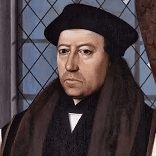
Cranmer’s unexpected appointment as Archbishop of Canterbury by King Henry VIII was a pivotal moment in English history. Despite not being a prominent figure in the church, Cranmer’s intelligence and unique ideas caught the King’s attention. His role in the King’s divorce from Catherine of Aragon and the subsequent break from Rome set the stage for the English Reformation.
Born into a regular family, Cranmer’s education at Cambridge University shaped his beliefs and ideas. His connection to the Boleyn family and support for the King’s divorce plans propelled him into royal favor. As the King faced opposition from the Pope over the divorce, Cranmer played a key role in the Act of Supremacy, establishing Henry as the head of the Church of England.
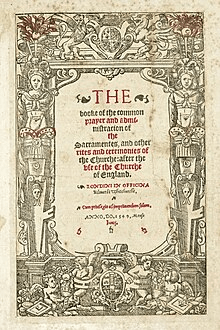
Cranmer’s influence extended beyond the political realm. He introduced new ideas about religion, changing church services and translating the Bible into English. His creation of the Book of Common Prayer revolutionized English worship practices and language.
Despite facing opposition and plots against him, Cranmer’s impact on England was undeniable. His legacy continues to shape the Anglican Church, emphasizing the importance of the Bible, reason, and tradition. A complex figure in English history, Cranmer’s enduring influence highlights the power of one person to change the course of history.
Thomas Cranmer’s unexpected appointment as Archbishop of Canterbury by Henry VIII was a risk that paid off. His contributions to the English Reformation and the Church of England have left a lasting mark on England, showcasing the transformative power of one individual in shaping politics and religion.
ALSO ON THIS DAY
1735 – The impious Howell Harris changes course, becoming a leading Welsh revivalist.
1858 – Dudley Tyng speaks to a noon rally of five thousand in Philadelphia, taking as his text, “Go now ye that are men and serve the Lord.” He declares that he would rather lose his right arm than fail to deliver God’s message to his listeners. Deeply moved, one thousand men respond to his solemn words. Two weeks later one of his arms is yanked from its socket in an accident, an infection developed, and it had to be amputated. These measures did not save him and in a few days more he died. His last words were “Stand up for Jesus, father, and tell my brethren of the ministry to stand up for Jesus.” This dying exhortation will inspire the hymn “Stand Up, Stand Up for Jesus.”
1899 – Mary Ann Rogers, senior stewardess on the SS Stella, gave a passenger her life jacket, Refusing to take a place on the lifeboat for concern of the other passengers; stayed aboard the sinking SS Stella. Her last reported cry was “Lord, have me” then she vanished with the ship.
1942 – Anne S. Murphy, author of the hymn “Constantly Abiding” died in Burbank, California.
Accessed ChristianHistoryInstitute.org 29 March 2020.
 Rhemalogy
The story of Mary Ann Rogers was short but inspiring. ❤ I look forward to meeting her. 😉
LikeLike
Did you click on her name? There is an entire post about her. There is more information there. Anytime you read any of my post and a word is highlighted in light blue there is more information if you just click on that name or text. Thank you for stopping by. Glad you were inspired. Have a blessed new week!
LikeLike