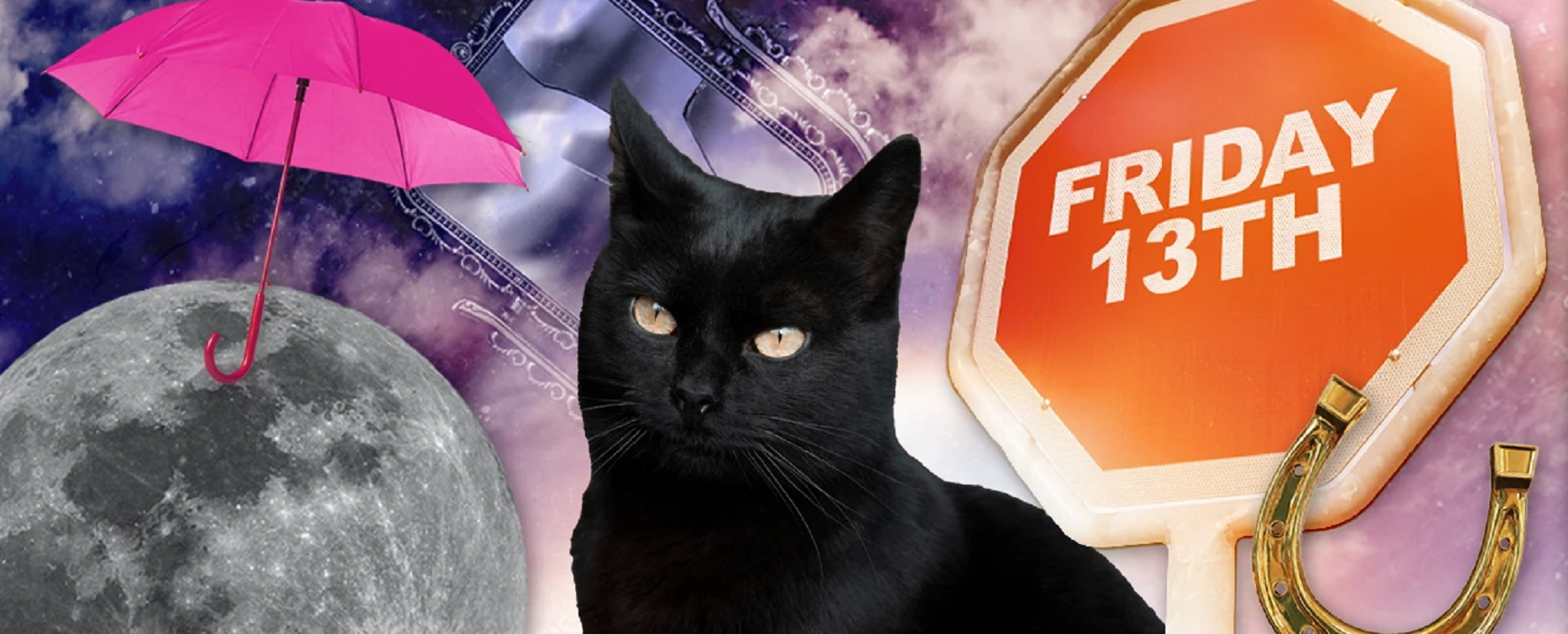
As I was rummaging through my thoughts yesterday, I found myself tracing the origins of certain beliefs we accept almost automatically. Lately, I’ve become fascinated by uncovering the origins of particular customs and fears—especially those that seem irrational yet persist across generations. One superstition I felt compelled to examine more closely was the so-called “madness” surrounding Friday the 13th.
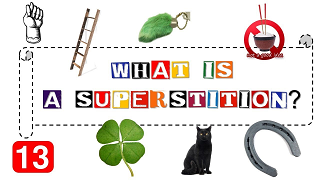
Before diving into its origins, it helps to clarify what superstition actually means. A superstition is defined as an excessively credulous belief in, or reverence for, the supernatural. It often arises when people attempt to explain uncertainty, misfortune, or coincidence through mystical or symbolic interpretations rather than evidence. Superstitions tend to flourish during times when science cannot fully explain events, and they often blend cultural, religious, and psychological influences.

Friday the 13th—also known as friggatriskaidekaphobia (the fear of Friday the 13th)—is not the product of a single event or individual. Instead, it is a modern fusion of older anxieties that gradually merged into one ominous date. The number 13 itself has long been viewed with suspicion in Western cultures. In the Holy Scriptures, the most frequently cited source of this unease is the Last Supper. At that final meal, there were thirteen individuals present: Jesus Christ and his twelve apostles. The thirteenth guest, Judas Iscariot, who betrayed Jesus, set in motion the events leading to the crucifixion. From this narrative, the number 13 became associated with betrayal, disorder, and impending doom.
Friday, too, carried negative associations long before it was paired with the number 13. In Christian belief, Friday is regarded as the day of Jesus’ crucifixion—a solemn and tragic event marking suffering and death. Over time, Friday gained a reputation in European folklore as an unlucky day for beginning journeys, conducting business, or celebrating major life events. Sailors were said to avoid setting sail on a Friday, and some traditions discouraged weddings on that day.
However, the specific pairing of Friday with the 13th day of the month did not solidify into widespread superstition until much later. Historians generally trace the popularization of Friday the 13th anxiety to the late 19th and early 20th centuries, when literature and media began to reference and amplify the idea. It was in this period that the two separate strands of fear—the ominous number 13 and the ill-fated Friday—intertwined into a single date believed to carry heightened misfortune.

What makes Friday the 13th particularly intriguing is how cultural narratives can shape collective behavior. Hotels omit the 13th floor, airlines skip row 13, and some individuals alter plans simply because of a date on the calendar. Though the superstition lacks empirical evidence, it endures—proof that human beings often seek meaning, even in numbers and days, when confronting the uncertainties of life.
Which, to me, is a false narrative because no one knows the mind of God, and all of time, be it kronos or kairos, rests in His hands. You will never find true peace in superstitions, but you will find true peace in Jesus Christ. Thank God he walked out of that tomb!
Come to Me, all you who labor and are heavy laden, and I will give you rest. Take My yoke upon you and learn from Me, for I am gentle and lowly in heart, and you will find rest for your souls. For My yoke is easy and My burden is light.” (Matthew 11:28-30 NKJV)
Thank you so much for your support and your continued readership. Have a blessed day!
© Rhema International 2026. Unauthorized use and/or duplication of this material without express and written permission from this blog’s author and/or owner is strictly prohibited. Excerpts and links may be used, provided that full and clear credit is given to Rhema International.
 Rhemalogy
Interesting, c.f., thanks for sharing!
LikeLike
I thought so too. Thanks for stopping by and thank you for that comment. Have a blessed weekend!
LikeLike
It constantly amazes me what superstitious things people will believe but when someone mentions Jesus they go silent.
LikeLike
You notice that too huh? Thanks for stopping by and thanks for the enlightening comment.
LikeLiked by 1 person
We are both pretty smart, huh?
LikeLike
You are so bad…lol
LikeLiked by 1 person