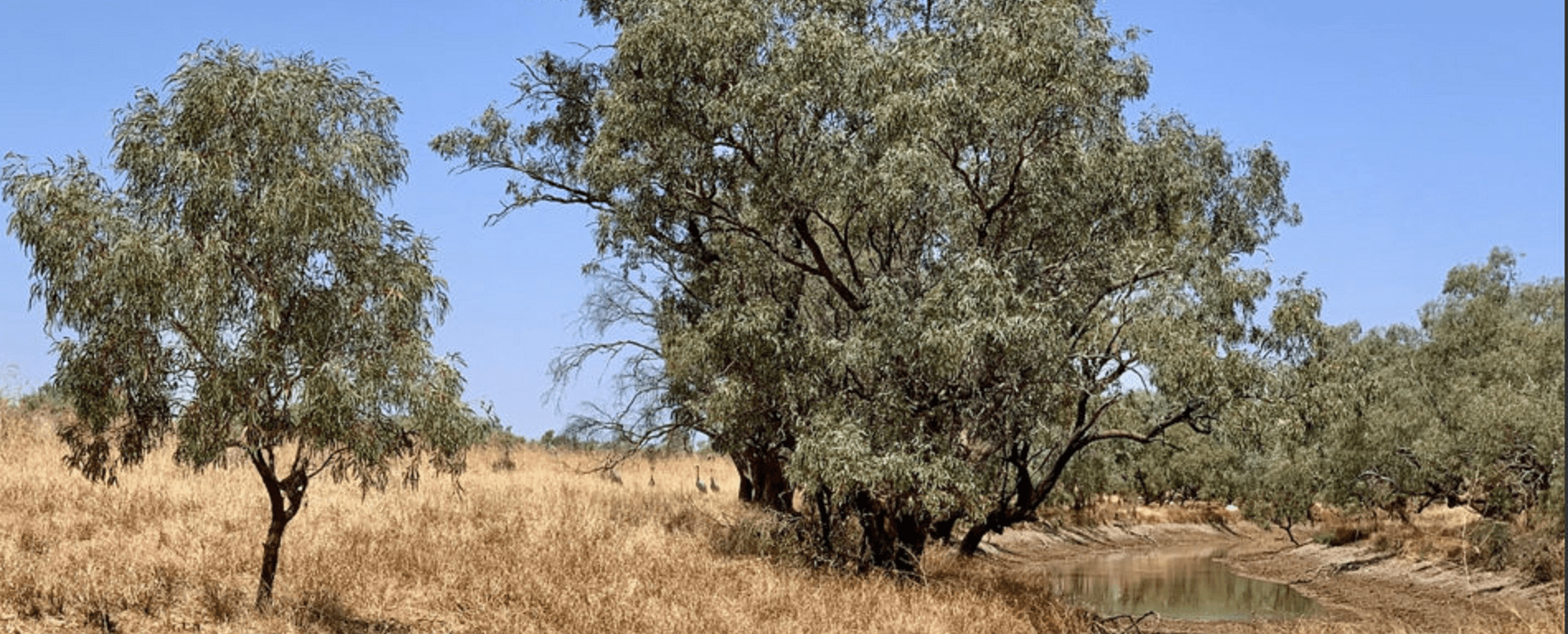
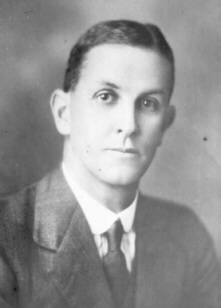
On May 17, 1928, Dr. K. St. Vincent Welch launched Australia’s first flying doctor service by responding to a minor emergency at Julia Creek and treating 255 more patients within a year. The idea for the service came from minister John Flynn.
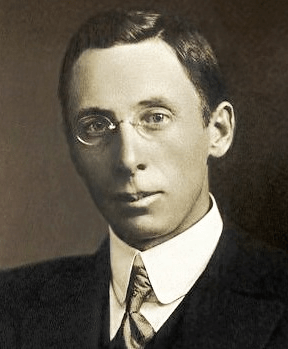
Born in 1880 in Victoria, Australia, Flynn was raised by his father after his mother died. Originally Methodist, he joined the Presbyterian Church near Melbourne and became a minister, believing serving Christ was the highest calling.
Flynn became concerned for people living in the isolated Australian outback. He envisioned linking remote communities with railroads, radio communication, traveling pastors, nursing stations, and correspondence education. He helped develop a pedal-powered radio, published The Bushman’s Companion, and founded the Australian Inland Mission.
After World War I, Flynn recognized airplanes could provide emergency medical care to remote areas. A tragic case involving John Darcy—who died before a doctor could reach him after a severe injury—strengthened Flynn’s determination to establish an air medical service.
To gain support, Flynn published The Inlander magazine, highlighting outback hardships and proposing solutions. Many Australians donated to the cause, while Flynn personally traveled to remote areas to preach and assist residents.
Despite resistance, Flynn successfully persuaded the government in 1928 to support seven flying doctor bases across Australia. During World War II, Australians later recognized that Flynn’s innovations greatly strengthened the nation’s ability to endure the war.
Also On This Day
1834 – Execution of Chinese Christian Peter Liu Wenyuan who had spent over thirty years in exile as a slave for his faith.
1972 – The Hutu Father Michael Kayoya of Berundi, a small nation in eastern Africa, is executed. He is one of thousands executed in genoicidal murder. About one half of all Catholic catechists in Berundi will be killed.
1992 – Pope John Paul II beatifies Josephine Margaret Fortunata (ca. 1869–1947), who as a Sudanese slave had been nicknamed Bakhita, “the lucky one.” Sold again and again, she had experienced great cruelty until an Italian consul ransomed her. In Italy she had converted to Christianity and had joined the Canossian Sisters with whom she remained the rest of her life, gaining renown for her humility and holiness.
2001 – The Russian Orthodox Church Outside Russia (ROCOR) signs an Act of Canonical Communion with the Moscow Patriarchate but retains its independent hierarchy, the only change being that when it elects a new First Hierarch, his election must be confirmed by the Patriarch of Moscow. In turn, ROCOR agrees to recognize the Patriarch of Moscow as the head of the entire Russian Orthodox Church.
 Rhemalogy
A busy day in Christian history. Thank you!
LikeLiked by 1 person
You’re welcome my friend. Have a blessed new week!
LikeLiked by 1 person